Protect Concrete from Gilbert's Sun
Your concrete surfaces—the patio where you grill, the pool deck where you relax, and the driveway that welcomes you home—are essential parts of your Gilbert lifestyle. We rely on concrete for its strength and durability, but even this tough material has a formidable opponent: the intense Arizona sun. The relentless heat and powerful ultraviolet (UV) rays can slowly but surely break down your concrete, leading to faded colors, unsightly cracks, and a shorter lifespan.
Many homeowners don't realize the extent of sun damage until it's too late, and the only solution is costly repair or replacement. The good news is that this deterioration is almost entirely preventable. At Concrete Gilbert, we specialize in proactive concrete preservation. We offer expert solutions, from advanced sealants to tailored maintenance plans, designed to shield your concrete from the harsh effects of the sun, keeping it beautiful and functional for decades to come.
How the Sun Degrades Your Concrete
To understand how to protect your concrete, it helps to know what the Gilbert sun is actually doing to it. The damage happens through two primary processes: UV degradation and thermal expansion.
UV Degradation and Color Fading
UV radiation is a powerful force that breaks down molecular bonds in materials. When it comes to your concrete, this process attacks two critical components:
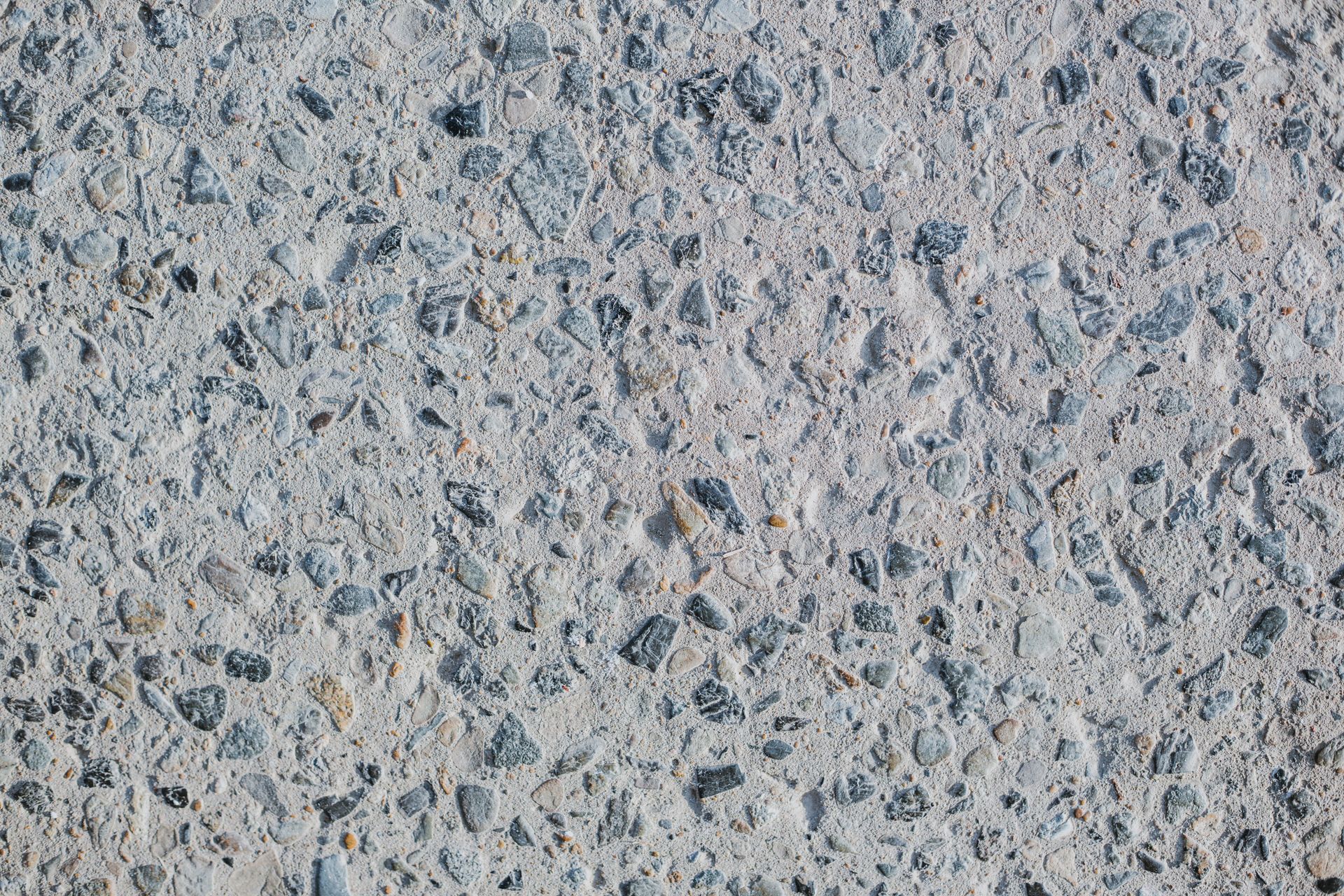
- The Binder: The cement paste that holds the sand and gravel aggregates together can be weakened by long-term UV exposure. This slow degradation leads to a chalky, powdery surface and a gradual loss of strength.
- The Pigment: If you have colored or stained concrete, UV rays are its worst enemy. Just as they fade the paint on a car or outdoor furniture, UV rays break down the pigments in your concrete. A vibrant, beautifully colored patio can become dull and washed-out in just a few years without proper protection.
Thermal Expansion and Cracking
Concrete, like most materials, expands when it gets hot and contracts as it cools. On a summer day in Gilbert, a dark-colored concrete surface can reach extremely high temperatures, causing it to expand significantly. As it cools rapidly in the evening, it contracts.
This daily cycle of expansion and contraction puts immense stress on the concrete slab. Over time, this stress leads to the formation of micro-cracks. Moisture can then penetrate these tiny fissures. When temperatures drop, this moisture can expand, widening the cracks and causing spalling (flaking) and structural decline. This thermal stress is a leading cause of damage to concrete in our climate.
Your Best Defense: Professional Sealing
The single most effective way to protect your concrete from sun damage is with a high-quality sealant. A concrete sealer is a liquid coating applied to the surface of cured concrete. It penetrates the pores and forms a durable, protective barrier that essentially acts as sunscreen for your concrete. However, not all sealers are created equal. Choosing the right one and applying it correctly is vital for effective, long-lasting protection. This is where the expertise of Concrete Gilbert makes all the difference.
Choosing the Right Sealer for Arizona's Climate
We help you select the ideal sealer based on your concrete’s type, age, and intended use. The most effective types for sun protection are acrylic and penetrating sealers.
- Acrylic Sealers: These form a protective film on the concrete's surface. They are excellent at blocking UV rays and are often used to enhance the color of stamped or stained concrete, providing a "wet look" with a glossy or satin finish. We use premium, non-yellowing acrylics specifically formulated to withstand intense sun without breaking down.
- Penetrating Sealers (Silane/Siloxane): These products work differently. Instead of forming a surface film, they dive deep into the concrete's pores and create a water-repellent barrier through a chemical reaction. While they are clear and don't typically alter the concrete's appearance, they provide outstanding protection against moisture intrusion that can result from thermal stress cracking. They are a great choice for driveways and walkways where a natural look is preferred.
The Professional Application Process
Applying a sealer might seem straightforward, but proper application is key to its performance and longevity. Our professional process ensures a flawless, durable finish.
- Meticulous Surface Preparation: We start by deep cleaning the concrete to remove all dirt, oil, efflorescence (white, chalky deposits), and any old, failing sealer. A sealer applied to a dirty surface will fail quickly. We use pressure washers and specialized cleaners to ensure the concrete is pristine.
- Moisture and Temperature Control: We only apply sealer when conditions are optimal. The concrete must be completely dry, and the temperature must be within the manufacturer's recommended range. Applying sealer to damp or overly hot concrete can cause it to bubble, blister, or turn cloudy.
- Even and Consistent Application: We use professional-grade equipment to apply thin, even coats of the sealer. This prevents thick spots that can peel and ensures uniform coverage for consistent protection and appearance. Most projects require two coats to achieve maximum performance.
A Complete Preservation Strategy
While sealing is the cornerstone of sun protection, a comprehensive preservation plan from Concrete Gilbert includes ongoing maintenance and smart design choices.
The Importance of a Maintenance Plan
A sealer is not a one-and-done solution. Over time, foot traffic, weather, and constant UV exposure will wear down the protective layer. To maintain protection, the sealer needs to be reapplied periodically. Based on the type of sealer used and the amount of sun and traffic your concrete receives, we will recommend a tailored maintenance schedule. Typically, an acrylic sealer on a high-exposure patio may need a fresh coat every 2-3 years. A penetrating sealer on a driveway might last 5 years or more. Our proactive approach ensures your concrete never goes unprotected.
The Advantage of Light-Colored Concrete
If you are planning a new concrete installation, we can guide you on color choices that will naturally reduce sun damage. Lighter-colored concrete reflects more sunlight and absorbs less heat. This simple choice can significantly lower the surface temperature on a hot day, minimizing the stress from thermal expansion and contraction and keeping the surface more comfortable for bare feet—a huge plus for pool decks.
Preserve Your Investment with Concrete Gilbert
Your concrete driveway, patio, and pool deck are significant investments in your home’s value and curb appeal. Protecting that investment from the damaging effects of the Gilbert sun is one of the smartest decisions you can make as a homeowner. With professional guidance, high-performance materials, and a proactive maintenance plan, you can keep your concrete looking vibrant and new for years to come.
Don't wait for fading and cracks to appear. Let the experts at Concrete Gilbert provide the protection your surfaces need to withstand our challenging climate. We offer comprehensive preservation services to ensure your concrete remains a source of pride and enjoyment for a lifetime. Is your concrete protected from the sun? Contact Concrete Gilbert today for a professional consultation on our concrete sealing and preservation services!
Meta Information
Meta Title: Protect Concrete from Sun Damage | Concrete Gilbert, AZ
Meta Description: Learn how to protect your concrete patio and driveway from sun damage in Gilbert. Concrete Gilbert offers sealing services to prevent fading and cracking.