Protect Your Concrete: The Ultimate Ice Melt Guide
Winter weather transforms your property into a beautiful snowy landscape, but it also brings the harsh reality of frozen, slippery driveways. When you step outside and nearly slide across your front walkway, your first instinct is likely to grab a heavy bag of ice melt. You sprinkle those chemical pellets across the concrete, watch the thick ice turn into a sloppy slush, and breathe a sigh of relief. But what if that quick fix is actually destroying your driveway? Many homeowners do not realize that choosing the wrong deicing chemical can cause permanent, expensive damage to their pavement. Tossing harsh salts onto your concrete literally eats away at the surface layer over time.
Within a few short winter seasons, you will start noticing ugly surface cracks, crumbling pavement edges, and deep pits across your once-smooth walkways. Here at Concrete Gilbert, we want to help you protect your valuable property from premature decay. We know exactly how different deicing chemicals interact with your pavement, and we want to share that knowledge with you. This comprehensive guide breaks down the pros and cons of the most common ice melts on the market. We will also show you exactly how our professional team can help you defend your concrete all winter long.
The Hidden Threat of the Freeze-Thaw Cycle
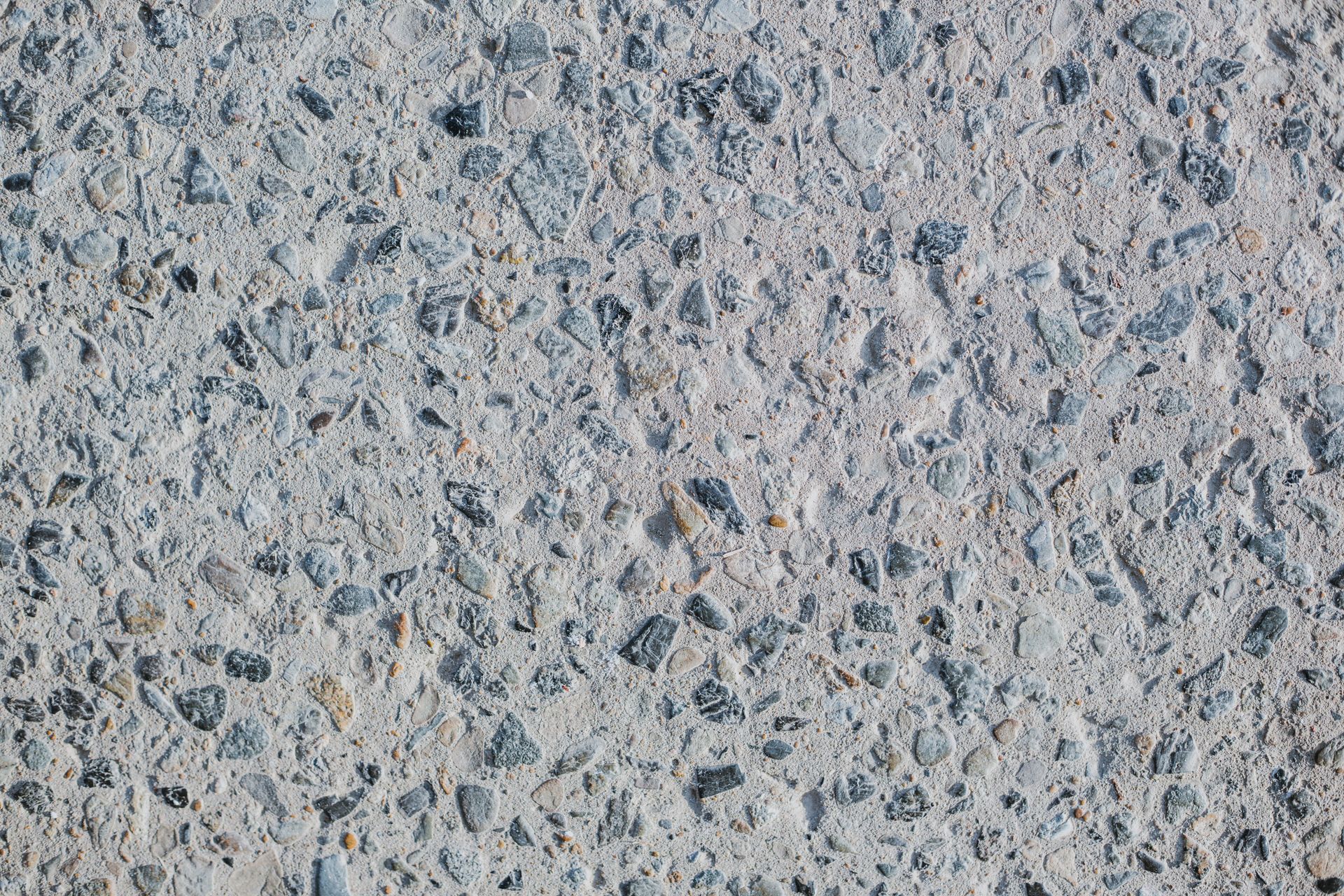
Before we compare specific chemical compounds, we need to talk about how winter weather actually destroys pavement. When you look at your driveway, concrete looks like a solid, impenetrable piece of rock. In reality, it acts much more like a hard, dense sponge. The entire surface contains millions of microscopic pores and tiny capillary channels. When snow melts, the resulting liquid water seeps directly down into these invisible pores. If the outdoor temperature suddenly drops below freezing, that trapped water turns directly into solid ice.
When water freezes, it physically expands by roughly nine percent. This sudden internal expansion creates massive structural pressure inside the concrete slab. Eventually, this intense internal pressure causes the top layer of the concrete to pop off, chip, or flake away. In the concrete industry, we call this destructive process spalling or scaling. Ice melts actively accelerate this terrible cycle. They artificially melt the ice during freezing temperatures, allowing the liquid water to soak deep into the pores. When the chemical dilutes and the water refreezes, your driveway suffers the harsh consequences.
Weighing Your Common Ice Melt Options
Take a quick walk down the winter maintenance aisle at your local hardware store, and you will see dozens of different bags promising to melt ice instantly. While the colorful packaging looks incredibly similar, the chemicals inside vary wildly. Let us break down the specific pros and cons of the three most popular options you will find on the shelves.
Rock Salt (Sodium Chloride)
Rock salt remains the most widely used and recognizable deicer in the world. Local municipalities use massive dump trucks to spread tons of it onto public highways every single winter. It contains the exact same chemical makeup as the salt sitting on your dining room table, just in a much larger, unrefined format.
The Pros of Rock Salt
The absolute biggest advantage of rock salt is the incredibly low price tag. It costs significantly less than any other chemical alternative on the hardware store shelf. You can buy it in bulk practically anywhere, making it highly accessible during a sudden, unexpected winter storm. The large, chunky granules also provide excellent physical traction under your heavy winter boots as the chemical slowly melts the ice around it.
The Cons of Rock Salt
Rock salt stands out as the absolute worst choice for your residential concrete surfaces. It is highly corrosive and aggressively attacks the metal rebar hidden deep inside your driveway. Furthermore, rock salt completely stops working when the ambient temperature drops below 15 degrees Fahrenheit. It also severely damages your grass, kills expensive landscape plants, and burns the sensitive paws of your family pets.
Calcium Chloride
When commercial property managers want serious melting power, they usually turn to calcium chloride. This chemical typically comes in white, round pellets and generates intense physical heat when it makes direct contact with ice. It acts as a premium deicing product and remains heavily favored by professional maintenance crews everywhere.
The Pros of Calcium Chloride
Calcium chloride acts incredibly fast. Because it creates its own physical heat, it melts right through thick, stubborn ice patches in a matter of minutes. It also works in extreme, punishing weather conditions. This powerful chemical continues to melt ice even when the outside temperature plunges all the way down to negative 25 degrees Fahrenheit.
The Cons of Calcium Chloride
This aggressive performance naturally comes with several major drawbacks. First, it costs significantly more money than standard rock salt. Second, calcium chloride often leaves a slippery, oily residue on your concrete after the water finally evaporates. Finally, because it melts ice so rapidly, it dramatically increases the number of freeze-thaw cycles your driveway experiences. This ultimately leads to severe surface scaling and pitting.
Magnesium Chloride
Over the last decade, magnesium chloride has gained massive popularity as a highly balanced, middle-ground option. It usually comes in flat flakes or round pellets. It acts quite similarly to calcium chloride by drawing moisture directly from the air to speed up the melting process.
The Pros of Magnesium Chloride
Magnesium chloride is widely considered the safest traditional ice melt for your residential property. It acts significantly less corrosive to concrete and metal than standard rock salt. It also poses a much lower risk to your lawn, your garden, and your local groundwater supply. Veterinarians frequently recommend this specific option because it will not burn your dog's paws during a winter walk around the neighborhood.
The Cons of Magnesium Chloride
While it is much safer for your property, magnesium chloride requires you to apply more physical product to achieve the exact same melting power as calcium chloride. Buying this extra product naturally makes it quite expensive over the course of a long, snowy winter. Additionally, its melting capabilities completely stop when the temperature drops below zero degrees Fahrenheit.
Smart Application Habits to Protect Your Pavement
Even if you choose a safer chemical like magnesium chloride, you must fundamentally change how you apply the ice melt. Poor application habits cause just as much damage as the harsh chemicals themselves. Following a few simple rules helps minimize the environmental impact on your property. First, always shovel the snow before applying any chemical product. Ice melt is designed specifically to break the tight bond between the bottom of the ice and the top of the concrete. It is not designed to melt three inches of fluffy white snow. Shoveling the bulk of the precipitation away guarantees the chemical works exactly as intended.
Second, use a mechanical walk-behind spreader instead of throwing handfuls from a plastic cup. A spreader ensures an even, light application across the entire surface. This prevents you from dumping highly concentrated, toxic piles of chemicals in one localized spot. This strategy protects the concrete and saves you money on excess product. Finally, consider mixing your chosen ice melt with plain construction sand. The sand provides immediate physical traction for your heavy winter boots and your vehicle tires. This simple strategy allows you to use significantly less chemical product while still maintaining a completely safe, slip-free walking surface for your family and guests.
How We Defend Your Driveway at Concrete Gilbert
Choosing the right ice melt represents just one small part of proper winter maintenance. Even the safest chemicals cause gradual wear and tear over a period of several years. You need a highly proactive strategy to keep your driveways, patios, and walkways looking brand new. At Concrete Gilbert, we provide the expert services and professional guidance you need to survive the harsh winter months. We do not just pour new driveways; we help you actively protect the expensive investments you have already made. Our team focuses heavily on the long-term structural health of your property.
Professional Concrete Sealing
The absolute best way to protect your concrete from ice melts and freezing water is professional sealing. Think of a premium concrete sealer as a heavy-duty raincoat for your driveway. Our skilled technicians apply advanced, commercial-grade penetrating sealers to all of your exterior surfaces.
These highly advanced sealers dive deep into the microscopic pores of the concrete slab. They create a powerful waterproof barrier that actively blocks melted snow and liquid chemicals from soaking into the surface. When water cannot penetrate the pavement, the destructive freeze-thaw cycle simply cannot occur. We highly recommend scheduling a sealing service with us every few years before the first winter snow falls.
Expert Repairs and Maintenance
If your driveway already shows clear signs of winter damage, you must not panic. However, ignoring small cracks and minor flaking will only allow the expanding ice to cause much deeper structural problems next year. Concrete Gilbert specializes in repairing and restoring weather-damaged surfaces safely and effectively.
Our experienced crews carefully evaluate the full extent of the spalling and scaling on your property. We easily patch deep cracks, resurface pitted areas, and restore the vital structural integrity of your slab. By addressing these minor issues immediately, we stop the decay from spreading and save you from the massive expense of a complete driveway replacement.
Take Action to Protect Your Concrete Today
Winter weather remains brutal, unforgiving, and completely unavoidable. Every time you spread a thick layer of harsh chemicals across your property, you risk damaging your expensive hardscaping. Understanding the critical differences between rock salt, calcium chloride, and magnesium chloride empowers you to make smarter, safer choices for your home. You do not have to fight the harsh winter weather alone. We at Concrete Gilbert possess the local expertise, premium materials, and specialized equipment required to keep your surfaces fully protected.
We remain fully committed to helping you maintain a safe, beautiful, and long-lasting property year after year. Do not wait until your driveway starts crumbling into sharp pieces under the winter snow. Contact Concrete Gilbert today for professional advice on winter maintenance and to schedule your preventative concrete sealing service. Let our highly trained team provide the lasting solutions you need to conquer the cold weather with complete confidence.
Meta Information
Meta title: Safest Ice Melts for Concrete | Concrete Gilbert
Meta description: Discover the pros and cons of rock salt, calcium chloride, and magnesium chloride. Learn how Concrete Gilbert protects your surfaces from winter damage.