Concrete Pads: Pros, Cons & Your Gilbert Project
When you decide to add a new feature to your property—a shed for storage, a relaxing hot tub, or a clean, stable patio for your grill—the very first decision is the most important: the foundation. For most projects in Gilbert, the go-to solution is a concrete pad. A concrete pad is a flat, solid slab of concrete poured to create a durable base. While it is a standard in the construction world, it’s a permanent addition to your landscape that comes with a specific set of advantages and disadvantages. Is it the right choice for your project and your property?
At Concrete Gilbert, we believe the best projects are built on a foundation of knowledge. We don’t just pour concrete; we partner with homeowners to ensure the solution fits their goals, budget, and long-term plans. To help you make a confident choice, let’s walk through an honest assessment of the pros and cons of a concrete pad.
The Pros: Why Concrete Pads are a Smart Choice
A professionally installed concrete pad delivers a powerful combination of strength, longevity, and convenience that is hard to beat, especially in the Arizona climate.
1. Unmatched Strength and Durability
The primary benefit of a concrete pad is its incredible strength. When properly mixed, reinforced with steel, and poured to the correct thickness, a slab can support immense weight without shifting or buckling. This makes it the only logical choice for heavy-duty applications. Whether you're parking a boat, setting up a home gym in a new shed, or installing a large swim spa, you need a base that provides absolute stability. Unlike gravel that can spread or pavers that can sink, a monolithic concrete pad offers a rigid, unyielding surface that keeps your valuable assets level and secure.
2. Built for the Gilbert Climate
Our Arizona sun and shifting soil conditions can be tough on outdoor materials. A concrete pad installed by Concrete Gilbert is engineered to withstand these challenges. Concrete is naturally resistant to the issues that plague other materials. It won't rot like a wood deck, and it offers no food source for termites. When properly sealed, it stands up to monsoon rains and extreme heat, providing a long-lasting surface that won't warp or degrade. This durability makes it a wise, cost-effective investment over the long run.
3. Extremely Low Maintenance
For busy homeowners, the minimal upkeep of a concrete pad is a major selling point. Once a pad is professionally installed and cured, you can largely set it and forget it. There are no cracks between pavers for weeds to grow, no gravel to rake back into place, and no wood to sand and re-stain every few years. Keeping it clean is as simple as sweeping it off or rinsing it with a garden hose. This means you can spend more time enjoying your outdoor space and less time maintaining it.
4. Versatility in Design and Use
A concrete pad is a versatile blank canvas. It can be formed into almost any shape or size to fit your landscape perfectly. While a simple rectangle is great for a shed, we can also create custom curves for a flowing patio or an octagonal base for a gazebo. Furthermore, a functional pad can also be beautiful. Beyond the standard broom finish, options like stamped concrete can mimic the look of stone or brick, and integral color can be added to match your home’s aesthetic. This turns a simple utility surface into an elegant design feature.
The Cons: What to Consider Before You Pour
At Concrete Gilbert, we believe in full transparency. Concrete is an excellent material, but it's important to understand its limitations before you commit to a project.
1. The Reality of Cracking
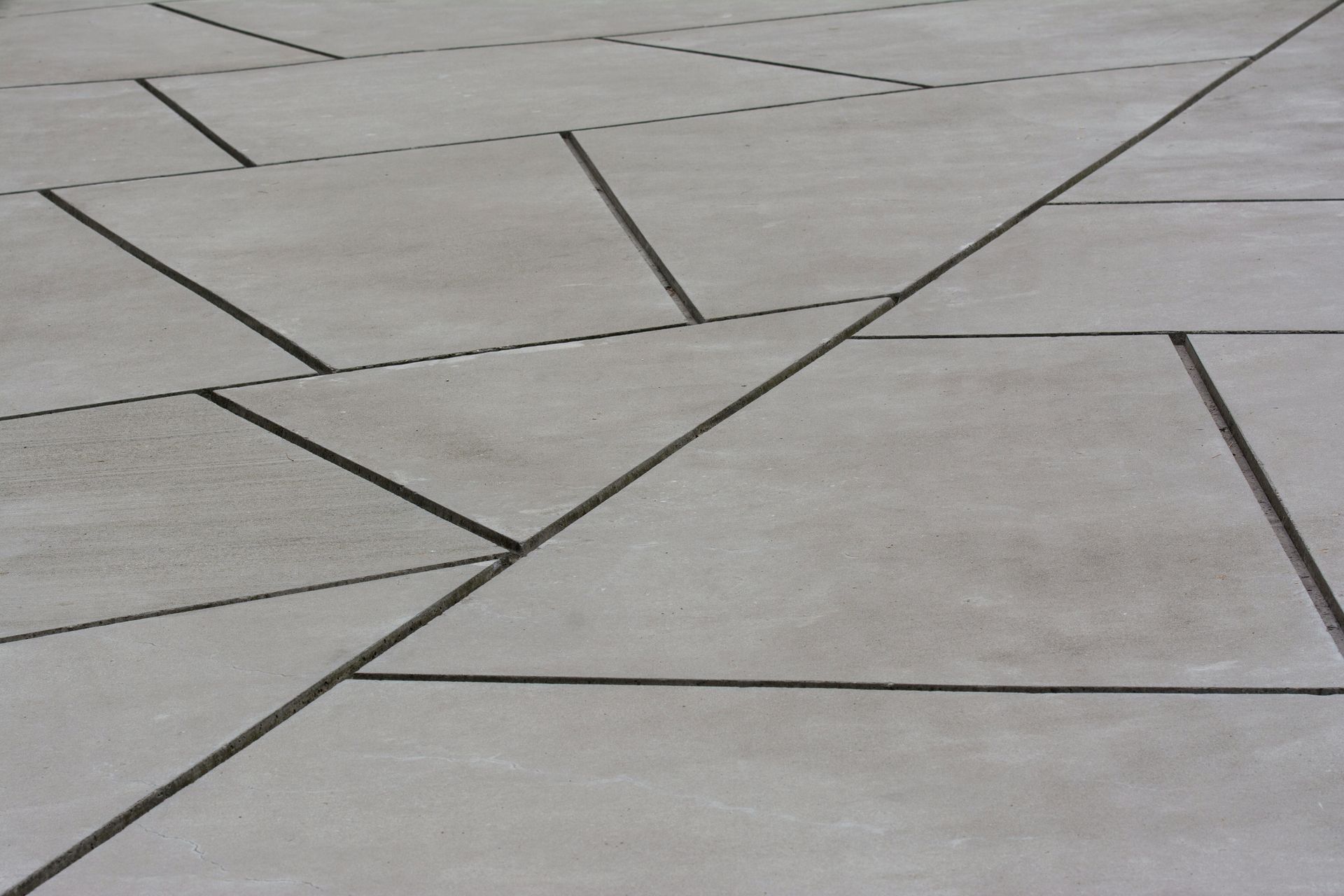
It's a fundamental characteristic of the material: all concrete has the potential to crack. As concrete cures, it shrinks, and it also expands and contracts with Arizona's dramatic temperature swings. We take every professional precaution to manage this risk. This includes meticulous ground preparation, proper soil compaction, using steel rebar for reinforcement, and cutting strategic control joints. These joints create a weakened plane, encouraging any potential crack to occur in a straight, predictable line. While these measures are highly effective, hairline cracks can still appear over time due to soil movement.
2. Higher Upfront Investment
Compared to simpler options like leveling the ground and laying down crushed rock, a professionally installed concrete pad has a higher initial cost. The price includes labor for excavation and form-setting, the cost of the concrete itself, and materials like steel reinforcement and sealant. While its longevity provides fantastic long-term value, the upfront expense can be a consideration for some budgets.
3. Its Permanent Nature
One of concrete's greatest strengths—its permanence—can also be a significant drawback. Once a concrete pad is poured, it is there for good. Removing it is a difficult, noisy, and expensive process that requires heavy machinery. If you are not 100% certain about the location of your shed or think you might want to redesign your yard in the future, this permanence is a major factor to weigh.
4. The Installation Process
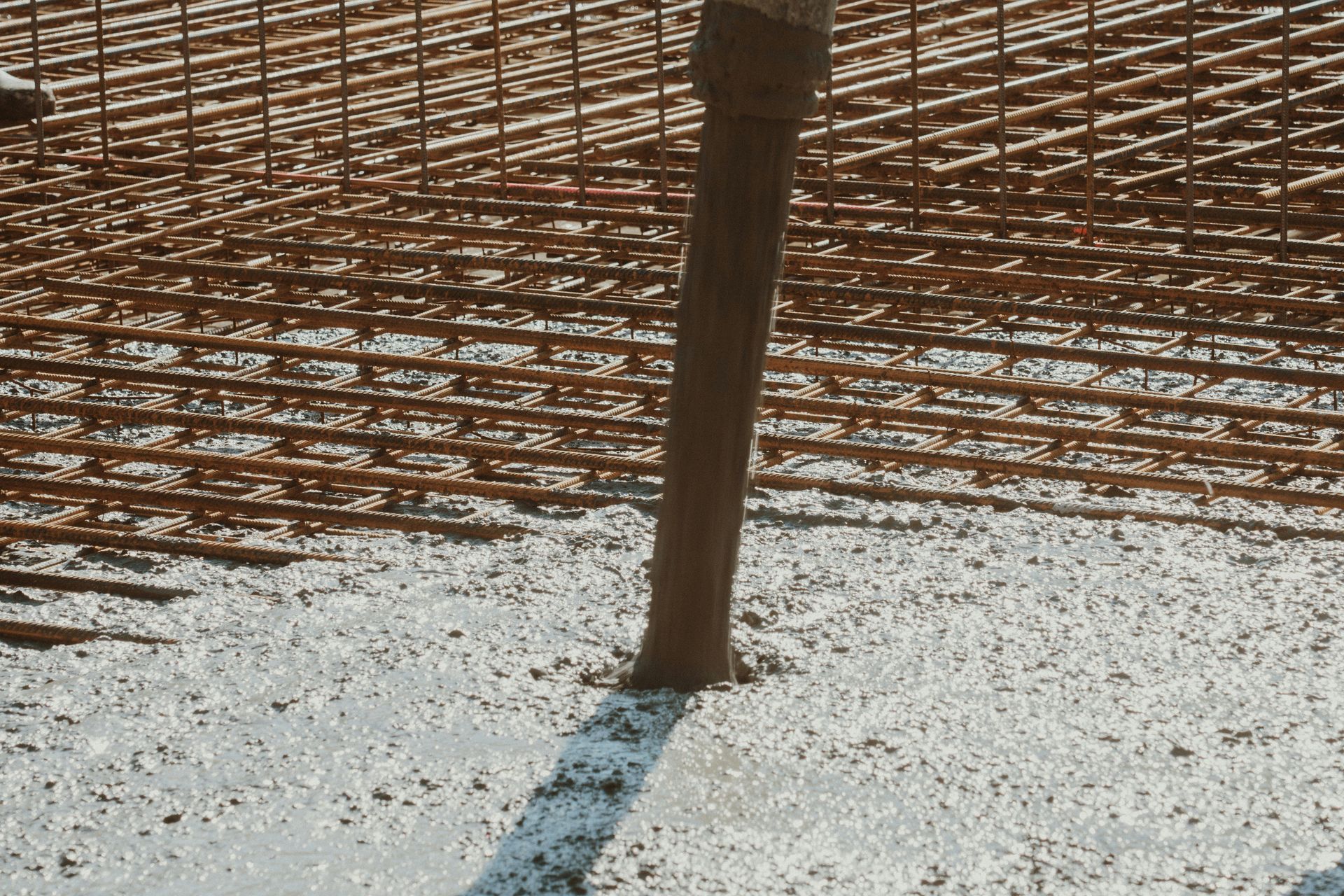
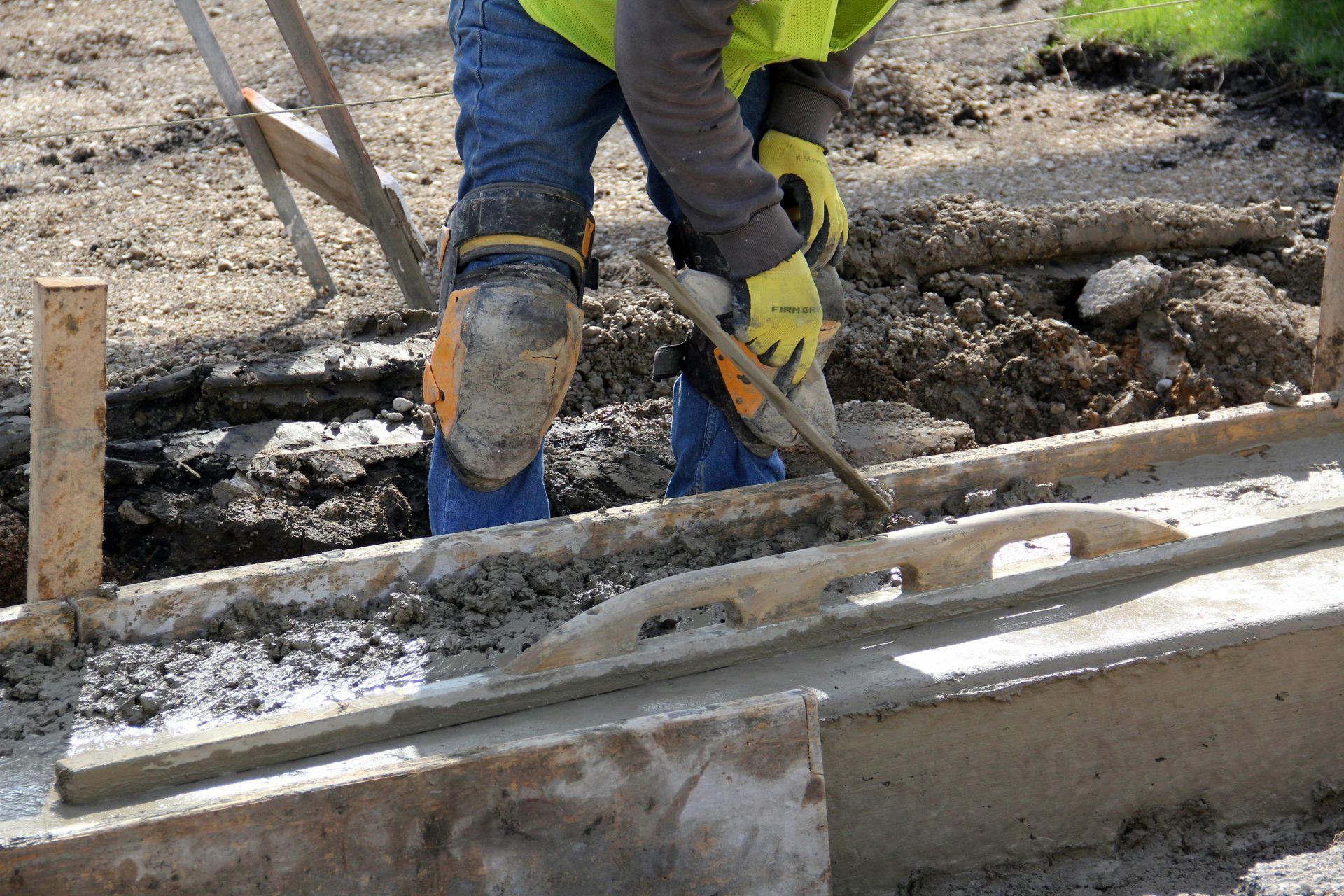
Pouring a quality concrete pad that will last for decades is not a simple DIY job. It requires expertise in grading, forming, placing, and finishing the concrete. The process can be messy and will disrupt your yard for a short time. Additionally, concrete needs to cure—it can take several days before it can handle significant weight and up to a month to reach its full design strength.
How Concrete Gilbert Helps You Decide
Choosing the right foundation is a balance between your project’s needs, your budget, and your long-term vision for your property. When you call Concrete Gilbert, our process begins with a conversation, not a sales pitch.
- We Assess Your Project: We start by understanding what you plan to put on the pad. The specifications for a hot tub pad are very different from those for a small tool shed. We design the pad specifically for its intended purpose.
- We Evaluate Your Site: We examine your soil, grading, and drainage. A stable pad begins with a stable sub-base. We ensure your site is prepared correctly to prevent future issues like settling and cracking.
- We Provide Clear Options: We help you weigh the upfront cost against the incredible long-term value. We’ll discuss different options for thickness and finish, providing a clear, itemized quote so there are no surprises.
If you decide a concrete pad is the right solution, our skilled team will ensure the installation is performed to the highest industry standards. From compacting the base to applying the final trowel finish, we focus on every detail to build a durable foundation for your project. Ready to build on solid ground? Contact Concrete Gilbert today for an honest, professional consultation and a free quote on your concrete pad installation.
Meta Information
Meta Title: Pros & Cons of a Concrete Pad | Concrete Gilbert Guide
Meta Description: Is a concrete pad right for your Gilbert project? We explore the pros of durability and the cons of cost and cracking to help you decide.